

Your body naturally produces GLP-1, a hormone that plays a role in how the body responds to food. But can the foods we eat influence how much GLP-1 our bodies release?
Researchers have been exploring this question, looking at how different nutrients, meals, and eating patterns affect natural GLP-1 production.
A 2024 scientific review published in The American Journal of Clinical Nutrition examined how diet influences GLP-1 secretion in people with different metabolic conditions.
Here's what the research tells us.
What Is GLP-1?
GLP-1 stands for glucagon-like peptide-1, a hormone primarily released by specialized cells in the intestines.
When we eat, our digestive system responds to nutrients by releasing several hormones, including GLP-1.
GLP-1 plays a role in:
-
Helping the body respond to food intake
-
Supporting normal digestive processes
-
Sending signals involved in fullness
-
Regulating how quickly food moves through the stomach
GLP-1 is part of the body's natural response to eating, and researchers continue to study how nutrition influences its release.
How Does Food Affect Natural GLP-1 Production?
One of the key findings discussed in the 2024 review by Huber and colleagues is that food intake naturally stimulates GLP-1 secretion.
After a meal, nutrients interact with specialized cells in the digestive tract, triggering the release of GLP-1.
However, the amount released can vary depending on several factors, including the composition of the meal and individual metabolic differences.
This means different foods and eating patterns may influence the body's GLP-1 response in different ways.
1. Protein and GLP-1

Protein is one of the nutrients researchers have studied for its influence on GLP-1 secretion.
When protein is digested, it breaks down into amino acids and smaller peptides that can interact with nutrient-sensing pathways in the digestive system.
The Huber review discusses human studies examining how meals with different protein levels influence GLP-1.
Some studies found greater GLP-1 responses following higher-protein meals, while others reported less consistent results.
These findings suggest that protein content may influence natural GLP-1 secretion, although the response can vary depending on the overall meal and study conditions.
2. Dietary Fiber and Gut Health
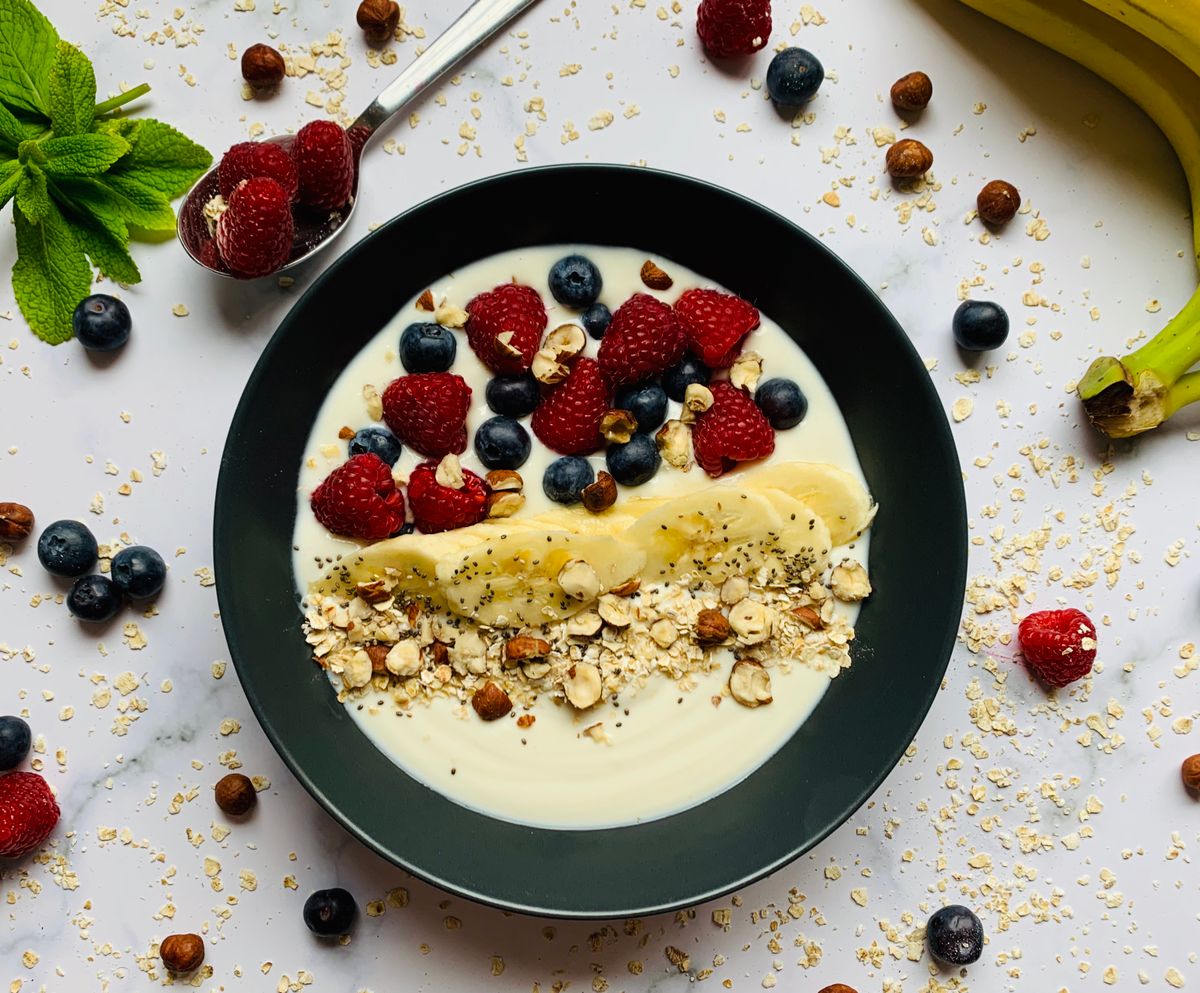
Dietary fiber is another area of interest in GLP-1 research.
Certain types of fiber can be fermented by bacteria in the digestive system, producing substances called short-chain fatty acids.
These substances may interact with receptors involved in GLP-1 secretion.
The Huber review discusses research suggesting that fermentable fibers can influence GLP-1 release, although the mechanisms and results are not yet fully understood.
Fiber remains an important part of a balanced diet, and researchers continue to investigate its relationship with gut hormones.
3. Does Meal Composition Matter?

GLP-1 secretion is influenced by more than one nutrient.
Meals typically contain combinations of carbohydrates, proteins, and fats, which can affect the body's digestive and hormonal responses.
The Huber review examined studies comparing different meal compositions, including meals with varying proportions of macronutrients.
Some studies observed differences in GLP-1 responses depending on the type of meal consumed. Other studies found no significant differences.
This suggests that meal composition can influence GLP-1 secretion, but researchers have not identified one specific meal composition that consistently produces the strongest response across all individuals.
4. Why Does GLP-1 Response Vary Between People?

Not everyone experiences the same GLP-1 response after eating.
The Huber review examined differences in GLP-1 secretion among people with varying body weights and metabolic conditions.
Some studies reported differences in GLP-1 responses, while others found similar results between groups.
Researchers also identified factors such as age, sex, body composition, and metabolic health as possible influences.
These findings highlight why the body's response to food can be different from person to person.
What Does the Research Tell Us Overall?
The relationship between nutrition and GLP-1 is an active area of scientific research.
Current findings suggest that:
-
The body naturally releases GLP-1 after eating.
-
Different nutrients can influence GLP-1 secretion.
-
Meal composition may affect the body's hormonal response.
-
Individual metabolic differences can influence GLP-1 levels.
-
More research is needed to understand the long-term effects of dietary approaches on GLP-1 secretion.
The findings offer useful insight into how the digestive system responds to nutrition, while also highlighting areas that scientists are still working to understand.
Supporting Your Body Through Everyday Nutrition
While researchers continue to explore the relationship between food and GLP-1, maintaining balanced eating habits remains an important part of general health.
Eating a variety of nutrient-rich foods, including protein sources, vegetables, fruits, whole grains, and fiber-rich foods, helps provide the nutrients the body needs for normal function.
Rather than focusing on a single hormone, a balanced approach to nutrition supports the body's many interconnected processes.
Frequently Asked Questions
Does the body naturally produce GLP-1?
Yes. GLP-1 is naturally produced in the digestive system and released in response to food intake.
Can certain foods influence GLP-1 levels?
Research suggests that nutrients such as proteins, carbohydrates, fats, and certain dietary fibers can influence GLP-1 secretion. However, the response varies depending on the meal and individual factors.
Does eating more protein increase GLP-1?
Some human studies have observed greater GLP-1 responses following higher-protein meals. However, findings are not consistent across all studies.
Can dietary fiber affect GLP-1?
Certain fermentable fibers may influence GLP-1-related pathways through interactions with gut bacteria and their metabolites. Researchers are continuing to investigate these effects.
Why do GLP-1 levels vary between individuals?
Factors such as metabolic health, body composition, age, sex, and meal composition may influence the body's GLP-1 response.
Final Thoughts
GLP-1 is a natural part of how the body responds to food.
Research shows that nutrition can influence its secretion, but the relationship is complex and varies between individuals.
As scientists continue studying the connection between food, gut hormones, and metabolic health, these findings can help us better understand the body's natural processes.
Scientific Reference
Huber, H., Schieren, A., Holst, J. J., & Simon, M.-C. (2024). Dietary impact on fasting and stimulated GLP-1 secretion in different metabolic conditions: A narrative review. The American Journal of Clinical Nutrition, 119, 599–627.
https://doi.org/10.1016/j.ajcnut.2024.01.007
Disclaimer
This article is for educational purposes only and does not constitute medical advice. Consult a qualified healthcare professional for personalized health and nutrition guidance.

